Tag: business

  • 10 Pet Themed Etsy Shop Ideas You Can Start Today

    Love pets and want to turn that passion into a side hustle? Etsy, with its 96 million buyers, is the perfect platform to sell unique, pet-themed products in 2025. These 10 Etsy shop ideas require minimal startup costs and leverage your creativity or basic skills. From horse treats to chicken hats to custom pet portraits, here’s how to launch a pet-themed Etsy shop and tap into the thriving pet market today!

    1. Handmade Bird Toys

    Craft colorful, safe bird toys using natural wood, cotton rope, or bells for parrots, budgies, or cockatiels. Source materials from craft stores or Temu, design your toys and list on Etsy. Promote in bird enthusiast groups on Facebook, where pet enrichment is trending. Ensure toys are non-toxic and size-appropriate for different birds. Offer chewable or puzzle-style designs to stand out.

    2. Homemade Horse Treats

    Bake all-natural horse treats with ingredients like oats, molasses, and carrots, perfect for equine owners. Source bulk supplies from grocery stores and list on Etsy. Market in equestrian groups on Facebook, where horse care products are popular. The pet treat market is growing, with homemade options in demand. Package in resealable bags for freshness.

    3. Personalized Dog Collars

    Sew or embroider dog collars with custom names or patterns, using nylon or leather. List on Etsy and promote in dog lover groups on social media, where personalized pet gear shines. Offer adjustable sizes and durable buckles for safety.

    4. Handmade Ceramic Pet Bowls

    Craft ceramic pet bowls with whimsical or minimalist designs for dogs, cats, or small animals. Share in pet owner groups on Pinterest or social media, where pet feeding accessories trend. Add non-slip bases or custom names for appeal.

    5. Upcycled Pet Bed Cushions

    Sew pet bed cushions from upcycled fabrics like old blankets or denim, ideal for eco-conscious pet owners. Source materials from thrift stores. Promote in sustainable pet groups on social media. The pet bedding niche is expanding, with unique designs in demand. Offer washable, durable covers to stand out.

    6. Hand-Knit Pet Sweaters

    Knit cozy sweaters for small dogs or cats using soft yarn, perfect for chilly seasons. Source yarn from craft stores and list on Etsy. Market in pet fashion groups on social media, where pet apparel is a hit. Offer seasonal patterns (e.g., winter-themed) for variety.

    7. Handmade Chicken Hats

    Sew whimsical chicken hats using soft fabrics like cotton or felt, designed to fit comfortably on hens for fun photos or farm flair. Source materials from craft stores or Temu. Promote in backyard chicken groups on Facebook or post reels on TikTok, where quirky poultry accessories are gaining traction. The niche for chicken products is growing among homesteaders. Offer playful designs like cowboy or flower hats to appeal to chicken keepers.

    8. Handmade Pet Bandanas

    Sew pet bandanas with fun patterns, perfect for pet owners seeking cute accessories. Share in pet lover groups on social media to reach devoted owners. Pet accessories are a growing niche, with only 1% of Etsy sellers in this category. Offer seasonal designs (e.g., Halloween) for variety.

    9. Custom Pet Tag Charms

    Create hand-stamped metal pet tag charms with names or contact info for dogs and cats. Use basic stamping tools and list on Etsy. Promote in pet groups on social media, where durable ID tags are valued. Offer custom pet shapes to stand out.

    10. Custom Pet Portraits

    Paint or draw custom pet portraits (e.g., watercolor, pencil sketches) of dogs, cats, or other pets, creating keepsake art for pet owners. Promote in pet lover groups on social media, where personalized pet art is trending. The pet keepsake niche is strong, with 86% of Etsy shoppers seeking unique gifts. Offer various sizes or styles (e.g., realistic, cartoon) to attract buyers. 

    Tips to Launch Your Pet-Themed Etsy Shop

    • Start Small: List 5–10 products to test demand, using affordable supplies or free tools like Canva to keep costs low.
    • Niche Down: Target specific pet owners (e.g., chicken keepers, eco-conscious dog parents) to stand out among Etsy’s 94 million products.
    • Optimize Listings: Use 13 keywords (e.g., “pet gift”) and high-quality photos (phone shots suffice).
    • Promote Free: Leverage Pinterest and social media for traffic; pins drive 50% of sales for many sellers.

    Etsy’s global reach makes it a side hustler’s dream, with 97% of sellers running shops from home and 86% of shoppers seeking gifts, often for pets. Pick one idea, list your first product this weekend, and join Etsy’s pet-loving community. Which shop idea inspires you?

  • Sell Guided Audio Meditations for Passive Income

    Want to turn your calming voice into cash? In 2025, selling guided audio meditations is a low-effort side hustle that can generate passive income from home. With wellness apps booming, people pay $5–$20 for meditations on mindfulness, sleep, or stress relief. Beginners can earn $100–$500/month with a small catalog, while top creators hit $1,000+/month. All you need is a smartphone, a quiet space, and a few hours. Here’s how to create and sell guided audio meditations for passive income.

    Step 1: Understand Guided Meditations

    Guided meditations are 5–30-minute audio files where a narrator leads listeners through relaxation, visualization, or focus exercises. Platforms like Insight Timer and Gumroad let you sell or monetize them via subscriptions or one-time purchases. You create once, upload, and earn repeatedly with minimal upkeep.

    Step 2: Choose a Meditation Niche

    Pick a topic you’re comfortable narrating and that attracts buyers:

    • Your Strengths: Enjoy mindfulness? Create guided breathing sessions. Good at storytelling? Try visualization for kids.
    • Market Demand: Check Insight Timer or Etsy for trending niches like sleep aids, anxiety relief, or productivity boosts.
    • Quick Wins: Short 5–10-minute meditations (e.g., “Morning Focus”) sell better than long ones.

    Step 3: Record Your Meditations

    You don’t need a studio:

    • Gear: Use a smartphone or $20 USB mic for clear audio. Record in a quiet room (e.g., closet for soundproofing).
    • Script: Write a 5–10-minute script (500–1,000 words) with a calm intro, guided exercise, and gentle close.
    • Software: Record and edit with Audacity for free to remove noise or add soft background music (royalty-free from Pixabay).
    • Quality: Speak slowly, pause often, and keep sessions soothing.

    Step 4: Sell on Platforms

    Choose a platform to monetize:

    • Insight Timer: Free to join, pays $0.01–$0.10 per stream or $5–$20 for premium tracks. Reach 10 million users.
    • Gumroad: Free, 10% fee per sale. Sell MP3s for $5–$20 with full control.
    • Etsy: List for 20¢, 6.5% fee. Sell meditation packs for $5–$15 to 96 million buyers.

    Upload to Insight Timer for streams or Gumroad for direct sales. Setup takes 1–2 hours; approval may take 1–3 days.

    Step 5: Market Your Meditations

    Drive sales with minimal effort:

    • Platform SEO: Use keywords like “2025 sleep meditation” or “anxiety relief audio” in titles and descriptions.
    • Pinterest: Create Canva pins (e.g., “Best Mindfulness Meditation”) linking to your listings. Pins drive 50% of digital sales.
    • Social Media: Share clips in wellness groups on Facebook or X.

    Step 6: Scale for Passive Income

    Grow with small tweaks:

    • More Tracks: Aim for 10–20 meditations in year one (e.g., sleep, focus, gratitude).
    • Bundles: Sell packs (e.g., 5 sleep meditations for $20) on Gumroad or Etsy.
    • Subscriptions: Offer monthly meditation series on Insight Timer for $5–$10/month.

    Your First Move

    Write a 5-minute mindfulness script today, record it with your phone, and upload to Gumroad for $5. Share a pin on Pinterest and post in a wellness group on X. Guided meditations are a calming, creative way to build passive income. What’s your meditation idea?

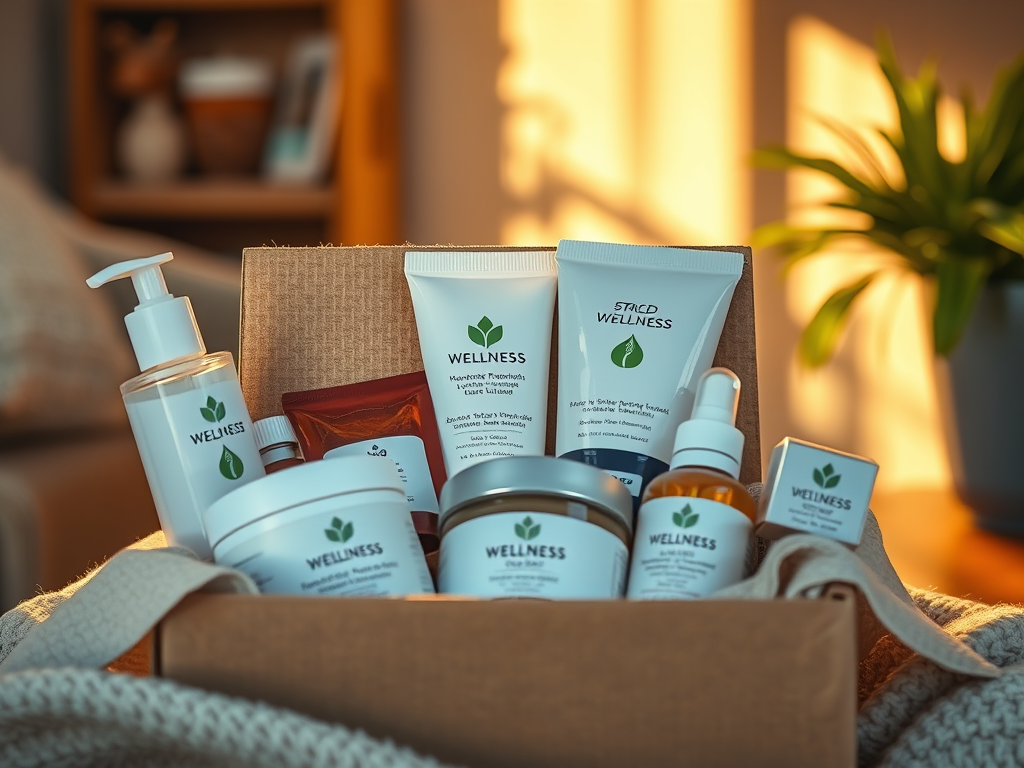
  • Earn $5,000 A Month From Home By Starting a Subscription Box Curator Side Hustle

    Dreaming of a side hustle that combines creativity with passive income? In 2025, curating subscription boxes—monthly packages of curated goods like snacks, self-care products, or hobby supplies—is a hot way to earn from home. Platforms like Cratejoy make it easy to launch your box, with new curators earning $100–$1,000/month and established ones hitting $5,000+/month. Start with minimal investment (a few hundred dollars for initial inventory), a computer, and a knack for picking great products. Here’s how to start a subscription box curator side hustle and make money with minimal effort.

    Step 1: Understand the Subscription Box Model

    A subscription box delivers curated items to subscribers monthly, like eco-friendly snacks or craft kits, for $10–$50/box. You source products, package them, and ship via USPS or third-party logistics. Cratejoy’s marketplace lists your box for free, taking 10% per sale plus payment fees (2.9% + 30¢). You set prices and fulfillment, making it semi-passive once systems are in place.

    Step 2: Pick a Niche with Passion and Profit

    Choose a niche that excites you and attracts subscribers:

    • Your Interests: Love wellness? Curate self-care boxes with candles and journals. Into hobbies? Try model-building kits.
    • Market Demand: Check Cratejoy or Etsy for trending niches like vegan snacks, mystery novels, or kids’ STEM activities.
    • Low Competition: Avoid oversaturated niches (e.g., beauty boxes) and focus on underserved ones (e.g., zero-waste household goods).

    Step 3: Source Your Products

    Start small with affordable items:

    • Wholesale: Buy from sites like Faire or Alibaba ($50–$200 for 10–20 items). Aim for $5–$10 cost per box to sell at $20–$40.
    • Local Suppliers: Partner with small businesses (e.g., artisanal soaps) for unique items, often at bulk discounts.
    • Samples: Request free or discounted samples from brands to include as bonuses.

    Spend $100–$300 on initial inventory for 10–20 boxes. Test products yourself to ensure quality.

    Step 4: Set Up Your Cratejoy Store

    Listing is free and takes 1–2 hours:

    • Sign Up: Join Cratejoy with a free account. No upfront fees; pay per sale.
    • Create Your Store: Upload 5–10 photos of your box contents. Write a description (e.g., “Monthly eco-friendly snack surprises”).
    • Pricing: Set at $20–$40/box, covering $5–$10 product costs, $5–$10 shipping, and profit ($5–$15). Offer 1-, 3-, or 6-month plans.
    • Fulfillment: Pack boxes yourself or use Cratejoy’s logistics partners (optional, ~$5/box).

    Step 5: Market Your Box

    Attract subscribers with low-effort strategies:

    • Cratejoy SEO: Use keywords like “2025 vegan snack box” or “self-care subscription” in your listing.
    • Social Media: Share unboxing videos on Instagram, TikTok, or X in niche groups (e.g., sustainability communities). 
    • Pinterest: Create Canva pins (e.g., “Best Eco Snack Box”) linking to your store. Pins drive 40% of subscription sales.

    Step 6: Scale for Passive Income

    Minimize effort and maximize profits:

    • Automate Fulfillment: Use third-party logistics ($5–$10/box) to handle packing and shipping after 20 subscribers.
    • Add Boxes: Launch a second niche (e.g., gluten-free snacks) to double revenue.
    • Upsell: Offer add-ons (e.g., $5 extra item) or gift cards for higher margins.

    Your First Move

    Pick a niche like eco-snacks today, source products, and list your box on Cratejoy. Share a pin on Pinterest and post in a local Facebook group. Subscription boxes blend creativity and passive income for a winning hustle. What’s your box idea?

  • Monetize Your Gaming Skills with Paid Coaching Sessions

    Are you a wizard at Fortnite or a sharpshooter in Valorant? In 2025, you can turn your gaming skills into a lucrative side hustle by offering paid coaching sessions. As esports and casual gaming boom, players are eager to pay $20–$50/hour for personalized tips to level up. Beginner coaches can earn $200–$1,000/month with just a few clients, while experienced ones hit $2,000+/month. No fancy setup needed—just a computer, headset, and your expertise. Here’s how to monetize your gaming skills with paid coaching sessions and start earning today.

    Step 1: Understand the Opportunity

    Gaming coaching involves teaching players strategies, mechanics, or mindset for popular titles like Fortnite, Valorant, League of Legends, or Call of Duty. Platforms like GamerSensei and Fiverr connect coaches with students, or you can go solo via Discord. The gaming industry is projected to grow to $321 billion by 2026, with coaching demand rising alongside it. You set your rates and hours, making it a flexible, low-effort hustle.

    Step 2: Assess Your Skills

    You don’t need to be a pro, but you should excel in at least one game:

    • Competitive Rank: High ranks (e.g., Diamond in Valorant, Masters in Apex Legends) attract clients.
    • Niche Expertise: Specialize in specific roles (e.g., sniping in Call of Duty) or game modes (e.g., Fortnite’s Zero Build).
    • Communication: Be clear and patient—coaching is as much about teaching as playing.

    If you’ve helped friends improve or dominate public matches, you’re ready.

    Step 3: Set Up Your Coaching Profile

    Start for free on established platforms:

    • GamerSensei: Join for free, set rates ($20–$50/hour), and coach via Discord or Zoom. Platform takes 20–30%. 
    • Fiverr: Offer 30–60-minute sessions for $10–$50. Free to list, 20% fee per gig.
    • Discord: Create a free server, advertise in gaming communities, and charge via PayPal ($15–$40/hour).

    Build a profile highlighting your rank, experience, and teaching style. Record a 1-minute intro video using your phone.

    Step 4: Market Your Services

    Attract clients without heavy lifting:

    • Platform Optimization: Use keywords like “Fortnite coaching 2025” or “Valorant aim training” in your profile title and description.
    • Gaming Communities: Share your services in Discord servers, Reddit (e.g., r/FortNiteBR), or X gaming groups. 
    • Social Media: Post short gameplay clips on TikTok or YouTube with Canva overlays for free, linking to your coaching profile.

    Step 5: Deliver Great Coaching

    Keep sessions simple and effective:

    • Tools: Use Discord for voice/screen sharing and Zoom for video. Record gameplay with OBS for review.
    • Structure: Offer 60-minute sessions—15 minutes on strategy, 30 on practice, 15 for feedback.
    • Value: Teach one actionable skill per session (e.g., Fortnite building patterns). Provide a PDF recap (Canva, free).

    Sessions take 1–2 hours, including prep. Most coaches work 5–10 hours/week. Positive reviews lead to repeat clients and referrals.

    Step 6: Scale Your Income

    Grow for higher earnings:

    • Raise Rates: Increase to $40–$60/hour after 10–15 sessions or 5-star reviews.
    • Group Sessions: Coach 2–5 players at $15–$20 each for $60/hour total.
    • Digital Products: Sell $10–$20 strategy guides on Gumroad (e.g., “Valorant Aim Guide”) for passive income.

    Your First Move

    Join Fiverr or GamerSensei today, create a $20/hour coaching profile for your favorite game, and share it in a Discord server. Gaming coaching is a fun, flexible way to cash in on your skills. What game will you coach? 

  • Earn $3,000 A Month Renting Out Your Backyard With Sniffspot


    Got a backyard and a love for dogs? In 2025, you can turn your outdoor space into a private dog park with Sniffspot, a platform that connects dog owners with safe, fenced-in areas for off-leash play. It’s a low-effort side hustle that can generate passive income, with hosts earning $500–$3,000/month depending on location and bookings. No major investment needed—just a yard and a smartphone. Here’s how to rent out your backyard with Sniffspot and start earning today.

    Step 1: Understand Sniffspot

    Sniffspot lets you list your backyard for dog owners to rent by the hour, like Airbnb for pups. Users pay $5–$20/hour, and you keep 80% (Sniffspot takes 20% + small transaction fees). It’s ideal for urban or suburban homeowners with fenced yards, but rural hosts can succeed too. Listings are free, and you control availability, pricing, and rules.

    Step 2: Assess Your Backyard

    Your yard doesn’t need to be fancy, but it should be dog-friendly:

    • Fencing: A secure fence (4–6 feet high) is ideal to prevent escapes. 
    • Size: Even small yards (500–1,000 sq ft) work, but larger spaces attract more bookings.
    • Amenities: Add free basics like water bowls, trash cans, or seating. Optional extras (e.g., agility equipment, toys) can justify higher rates. Yards with pools available to canine guests bring in much higher earnings. 

    Check for hazards (e.g., toxic plants, sharp objects). 

    Step 3: Set Up Your Sniffspot Listing

    Signing up is free and takes 10 minutes:

    • Create an Account: Download the Sniffspot app or visit sniffspot.com. Verify your identity (free).
    • List Your Yard: Upload 5–10 clear photos (use your phone) showing the space, fence, and amenities. Write a description (e.g., “Quiet 1,000 sq ft yard perfect for fetch”).
    • Set Pricing: Charge $10–$15/hour in urban areas, $5–$10 in rural ones. Offer discounts for first bookings.
    • Rules: Specify pet limits, cleanup policies, and availability (e.g., 8 AM–8 PM).

    Step 4: Market Your Spot

    Sniffspot’s platform drives most bookings, but you can boost visibility:

    • Optimize Listing: Use keywords like “private dog park” or “fenced yard” in your title and description.
    • Social Media: Share your listing link in local dog groups on Facebook or X. Post photos of happy pups (with permission).
    • Local Outreach: Put up flyers at pet stores or vet offices (free with Canva designs).

    Step 5: Manage Bookings

    Sniffspot makes hosting low-maintenance:

    • Approvals: Set auto-approvals for bookings or review manually via the app.
    • Interaction: Most guests need no contact—provide entry instructions (e.g., side gate code). 
    • Cleanup: Guests must clean up, but check your yard daily for stray waste.

    Minimal effort yields passive income. Hosts average 5–10 hours/week managing, with earnings scaling by bookings.

    Step 6: Scale Your Income

    Maximize profits with small tweaks:

    • Add Amenities: Offer toys, shade, agility equipment or water features to stand out from other spots.
    • Increase Rates: Raise to $15–$20/hour after 10 positive reviews.
    • Expand Availability: Open more hours or days to attract bookings.

    Your First Move

    Check your yard for safety today, then list it on Sniffspot with five photos. Share in a local dog group on Facebook. Sniffspot’s a unique, low-effort way to cash in on your backyard. What’s your yard’s best feature? Share in the comments, and I’ll suggest an amenity to boost bookings!

  • Selling Digital Assets: Passive Income from Fonts, Presets, and More in 2025

    Want to create something once and earn money repeatedly? Selling digital assets—think fonts, Lightroom presets, or social media templates—is a hot side hustle in 2025, perfect for building passive income from home. These products are in demand by designers, bloggers, and businesses, selling on platforms like Creative Market. No design degree needed—just a laptop and free tools. Here’s how to start renting out digital assets for passive income.

    Step 1: Understand Digital Assets

    Digital assets are downloadable files that creatives use, like custom fonts for branding, photo presets for editing, or templates for Instagram posts. You create them once, upload them, and earn per sale with no inventory or shipping. The digital product market is growing, projected to hit $74 billion by 2028, making now a great time to start.

    Step 2: Choose a Profitable Asset Type

    Pick an asset you can create and that sells:

    • Your Skills: Good at organizing? Design Canva templates for planners. Into photography? Create Lightroom presets for vibrant edits.
    • Market Demand: Browse Creative Market or Etsy for trending assets like handwritten fonts, vintage presets, or resume templates.
    • Low Effort: Start with simple assets (e.g., a 10-preset pack) to test the waters.

    Step 3: Create Your Digital Assets

    Use free tools to keep costs at zero:

    • Fonts: Design with FontStruct (free) for unique typography (e.g., a bold sans-serif for logos).
    • Presets: Use Lightroom’s free mobile app to create photo filters (e.g., moody tones for landscapes).
    • Templates: Make social media or resume templates in Canva (free) with clean layouts and stock images from Unsplash.
    • Quality: Test assets yourself—ensure fonts are legible, presets are versatile, or templates are editable.

    Step 4: Set Up Your Shop

    Top platforms are free or low-cost:

    • Creative Market: Free to join, 60% royalties ($3–$30/sale). Ideal for design-focused assets like fonts or presets.
    • Etsy: List for 20¢, 6.5% fee per sale. Great for templates or niche assets ($5–$20).
    • Gumroad: Free, 10% fee. Sell for $5–$50 with full control.

    Step 5: List and Optimize

    Make your assets stand out:

    • Titles & Tags: Use keywords like “2025 Instagram Story Template” or “Vintage Lightroom Preset” (up to 13 tags on Etsy).
    • Mockups: Show assets in use with Canva or Placeit (free trials) mockups (e.g., a font on a poster).
    • Descriptions: Highlight benefits (e.g., “Easy-to-use resume template for job seekers”).

    Step 6: Market for Passive Sales

    Drive buyers without daily work:

    • Pinterest: Create Canva pins (e.g., “Best Resume Templates 2025”) linking to your listings. Pins drive 50% of digital sales.
    • Social Media: Share in niche groups on Facebook or X (e.g., design or blogging communities).
    • Platform Ads: Use Etsy Ads ($1/day) or Creative Market’s featured spots once earning.

    Step 7: Scale Your Income

    Grow for true passive income:

    • More Assets: Aim for 20–50 assets in year one (e.g., fonts, presets, templates).
    • Bundles: Sell sets (e.g., 10 presets for $20) for higher revenue.
    • Email List: Use Mailchimp (free) to share new releases with buyers.

    Your First Move

    Create one asset—like a Canva resume template—this weekend. Digital assets are a create-once, earn-forever win. What’s your asset idea? Share in the comments, and I’ll suggest a platform to maximize it!

  • Create and Sell Digital Planners: Your Path to Passive Income in 2025

    Want to earn money from home without constant hustle? Selling digital planners is a hot side gig in 2025, letting you design once and sell forever. These downloadable PDFs—think budget trackers, fitness logs, or student schedules—are in high demand on platforms like Etsy, with no inventory or shipping hassles. Here’s how to create and sell digital planners for passive income, using free tools and a few hours a week.

    Step 1: Understand Digital Planners

    Digital planners are PDFs used on apps like GoodNotes or Notability, often for tablets, though printable versions sell too. Buyers love them for organizing life—work, school, or hobbies. You’ll design pages (e.g., daily schedules, goal trackers) and sell them as instant downloads. No design degree needed—just creativity and a laptop.

    Step 2: Pick a Profitable Niche

    Focus on a specific audience to stand out. Ideas include:

    • Your Passion: Love animals? Create a pet care planner!
    • Trending Needs: Check Etsy or Pinterest for hot niches like “wedding planning,” “teacher lesson plans,” or “mental health journals.”
    • Evergreen Markets: Budget planners, fitness trackers, and student schedules sell year-
    • round.

    Step 3: Design Your Planner

    Use free tools to create professional planners:

    • Canva (Free): Start with templates for daily/weekly layouts. Add tabs, hyperlinks (for digital use), and cute graphics (e.g., free clip art from Pixabay).
    • Structure: Include a cover, calendar, and 5–10 page types (e.g., to-do lists, habit trackers). Keep fonts clear and colors cohesive.
    • Formats: Offer GoodNotes-ready PDFs and printable versions to widen your market.

    Spend a weekend designing one 20–30-page planner. Test it on your phone to ensure it’s user-friendly.

    Step 4: Set Up Your Shop

    Etsy’s 96 million buyers make it ideal for digital planners (20¢/listing, 6.5% transaction fee). Alternatives include Gumroad (free, 10% fee) or Teachers Pay Teachers for educational planners. Tips:

    • Store Name: Choose something catchy, like “PlanWithJoy” or your name.
    • Profile: Write a short bio (e.g., “Helping busy moms stay organized”) and add a Canva logo.
    • First Listing: Price at $5–$15 (e.g., $10 for a 25-page planner yields $8 after fees).

    Setup takes an hour—do it tonight to start selling.

    Step 5: List and Optimize

    Each planner needs a strong listing to attract buyers:

    • Title: Use keywords like “2025 Digital Budget Planner” for Etsy searches.
    • Description: Highlight features (e.g., “Hyperlinked daily pages for easy navigation”).
    • Mockups: Create visuals with Canva or Placeit (free trials) showing the planner on a tablet.
    • Freebie: Offer a one-page sample to build trust and drive sales.

    Step 6: Promote for Free

    Drive traffic without spending a dime:

    • Pinterest: Create pins with Canva (e.g., “Best Fitness Planner 2025”) linking to your Etsy listing. Pins can drive 50% of sales.
    • Social Media: Share in Facebook groups or on X (e.g., teacher or budgeting communities).
    • Etsy Ads: Start at $1/day once you’re earning to boost visibility.

    Spend 20 minutes daily pinning or posting. A fitness planner seller hit 500 monthly sales with Pinterest alone.

    Step 7: Scale Your Income

    Grow your shop for true passive income:

    • Add Planners: Aim for 5–10 in your first year. Offer bundles (e.g., budget + fitness for $20).
    • Seasonal Updates: Refresh covers for holidays or back-to-school season.
    • Email List: Use MailerLite (free) to notify buyers of new releases.

    Your First Step

    Design one planner this weekend—maybe a “Pet Care Planner” with cow motifs. List it on Etsy, share on Pinterest, and watch for sales. The digital product market is booming—jump in now. What’s your planner idea? Share in the comments, and I’ll suggest a niche twist to make it pop!

  • How to Start a Blog for Passive Income: A Beginner’s Guide to Earning from Home in 2025

    Dreaming of earning money while you sip coffee at home? Blogging is a proven way to build passive income in 2025, letting you write about what you love and make cash from ads, affiliate links, or products. No coding skills or big budget needed—just a laptop and a few hours a week. New bloggers can earn $50–$500/month within a year, with top earners hitting $1,000–$10,000/month after consistent effort. Here’s your beginner’s guide to starting a blog for passive income, with a 90-day plan to see your first dollars.

    Step 1: Pick a Niche You Love

    Your blog’s topic sets the stage for earnings. Choose something you’re passionate about and that attracts readers (and advertisers). Think:

    • Your skills: Love pets? Blog about dog training tips (maybe Highland cow-inspired farm life, tying to your creative streak).
    • Market demand: Use Google Trends or Pinterest to spot hot topics like “sustainable living” or “budget travel.”
    • Profit potential: Niches like personal finance or health draw high-paying affiliate programs.

    A teacher I know started a blog on classroom hacks and made $200/month in six months. Pick a niche you can write about for years.

    Step 2: Set Up Your Blog (Cheap or Free)

    You don’t need tech skills to launch a blog. Here’s how:

    • Platform: Use WordPress.com (free plan) or WordPress.org (self-hosted, ~$50/year with Bluehost for domain + hosting). WordPress is beginner-friendly and ad-ready.
    • Domain: Grab a catchy name like “PetLifeHacks.com” for $10–$15/year.
    • Design: Choose a free WordPress theme (e.g., Astra) and customize with Canva logos or headers.
    • First Post: Write a quick “Welcome” post about your niche (e.g., “Why I’m Sharing Dog Training Tips”).

    Setup takes 1–2 hours. Spend a weekend, and you’re live.

    Step 3: Write Content That Draws Readers

    Quality posts keep readers coming back and attract monetization opportunities. Aim for:

    • Value: Write “how-to” guides or lists (e.g., “10 Ways to Train a Stubborn Puppy”).
    • SEO Basics: Use free tools like AnswerThePublic to find questions people search (e.g., “best dog toys 2025”). Include keywords in titles and text.
    • Length: Start with 5–10 posts, 500–1,000 words each, to build a foundation.

    Plan three posts a week for the first month. A blogger I read about hit 1,000 monthly visitors in 90 days with 15 pet care posts.

    Step 4: Monetize Early

    You can start earning with minimal traffic. Try these free methods:

    • Affiliate Links: Join Amazon Associates (free) to earn 1–10% on products you recommend (e.g., dog beds). Link in posts naturally.
    • Ads: Apply for Google AdSense (free) once you have 10–15 posts. Ads pay $0.50–$5 per 1,000 views.
    • Sponsored Posts: Pitch brands (e.g., pet food companies) after 1,000 monthly visitors for $50–$200 per post.

    A beginner blogger earned $100/month with Amazon links on a gardening blog in four months. Start with one method and add more later.

    Step 5: Drive Traffic Without a Big Following

    Traffic fuels income. Use free strategies:

    • Pinterest: Create pins with Canva (e.g., “Top Dog Toys” graphics) linking to posts. Pinterest drives 50–80% of blog traffic for newbies.
    • Social Media: Share posts in Facebook groups or on X (e.g., pet lover communities).
    • SEO Growth: Use Yoast SEO (free WordPress plugin) to optimize posts for Google.

    Spend 30 minutes daily pinning or sharing. Consistency builds 500–2,000 monthly visitors in 3–6 months.

    Step 6: Scale for Passive Income

    Once you’re earning, reinvest to grow:

    • More Posts: Aim for 50–100 posts in year one. Older posts keep earning via search traffic.
    • Email List: Start a free Mailchimp list to share new posts or affiliate deals.
    • Products: Sell digital guides (e.g., “Puppy Training Ebook”) on Gumroad for $5–$20.

    Your 90-Day Plan

    • Days 1–7: Pick a niche, set up WordPress, write one post.
    • Days 8–30: Publish 5–10 posts, join Amazon Associates, share on Pinterest.
    • Days 31–90: Write 10–15 more posts, apply for AdSense, track traffic. Expect $10–$100 by month three.

    Blogging’s not instant cash, but it’s a low-risk hustle that grows. A $50 monthly start can scale to $500 with patience. What’s your blog idea? Share in the comments, and I’ll suggest a niche tweak to boost it!

  • 7 Print-on-Demand Sites to Launch a Passive Income Stream from Home in 2025

    Print-on-demand (POD) is a dream side hustle for 2025: design products like t-shirts, mugs, or totes from home, upload them online, and earn passive income without touching inventory. Platforms like Printful and Redbubble handle printing, shipping, and customer service, letting you focus on creativity. Pairing POD with Etsy’s 96 million active buyers can supercharge your sales, especially with Printful or Printify integrations. Below, I’ve ranked the top seven POD sites for ease, profits, and scalability, with a guide on using Printful or Printify on Etsy to build your shop fast. No upfront costs—just a laptop and free tools like Canva.

    1. Printful: Best Overall for Beginners

    Why It’s Great: Printful offers 330+ products (t-shirts, hoodies, posters) with top-notch quality and seamless integrations, including Etsy. Its free plan has no fees, and mockup tools make listings pop. Paid plans ($9–$49/month) unlock discounts.
    Profit Margins: Base costs ($7–$14 for apparel), 20–40% margins after Etsy fees (6.5% + $0.20/listing).
    Pros: Reliable shipping, Etsy sync, user-friendly.
    Cons: Slightly higher base prices than Printify.
    Earnings Potential: $100–$1,000/month with 10–20 listings.
    Etsy Tip: Sync Printful to auto-fulfill Etsy orders; list pet-themed tees (e.g., Highland cow designs) for quick sales.

    2. Printify: Best for Low Costs and Variety

    Why It’s Great: Printify’s 900+ products (socks, backpacks, mugs) come from global suppliers at budget prices (e.g., $6–$12 for t-shirts). Its free plan supports five stores, including Etsy, with a $24.99/month Premium plan for 20% off.
    Profit Margins: High margins (30–50%) due to low costs, even with Etsy fees.
    Pros: Vast catalog, Etsy integration, cheap base prices.
    Cons: Supplier quality varies—check reviews.
    Earnings Potential: $50–$800/month with consistent uploads.
    Etsy Tip: Use Printify’s Pop-Up Store for Etsy to streamline listings; try trending niches like “retro gaming” mugs.

    3. Gelato: Best for Global Reach and Speed

    Why It’s Great: Gelato’s 140+ print partners in 32 countries ensure fast, local production, cutting shipping times. Its catalog (apparel, wall art, phone cases) integrates with Etsy, with a free plan and $14.99/month paid tiers.
    Profit Margins: Base costs ($8–$14 for apparel), 25–40% margins after Etsy fees.
    Pros: Eco-friendly options, reliable quality, Etsy sync.
    Cons: Smaller catalog than Printify.
    Earnings Potential: $100–$700/month with targeted marketing.
    Etsy Tip: List personalized totes via Gelato’s Etsy integration for gift shoppers.

    4. Redbubble: Best for Artists Using Marketplaces

    Why It’s Great: Redbubble’s marketplace draws 34 million monthly visitors, letting you sell 60+ products (stickers, tees, notebooks) without a store. Set royalties (20–60%) on uploads. No Etsy integration, but it’s a standalone powerhouse.
    Profit Margins: Lower margins (10–20%) due to fixed base prices.
    Pros: No fees, huge traffic, easy setup.
    Cons: No Etsy sync, design theft risk.
    Earnings Potential: $50–$500/month with viral designs.
    Tip: Create pet stickers (e.g., Highland cows in hats) and optimize tags for Redbubble searches.

    5. Sellfy: Best for Building Your Own Store

    Why It’s Great: Sellfy combines POD with an eCommerce storefront for t-shirts, mugs, or digital products. Plans start at $22/month (no free plan), with Etsy-like branding control but no direct Etsy integration.
    Profit Margins: Base costs ($9–$15 for apparel), 20–35% margins.
    Pros: Full brand control, global shipping.
    Cons: Monthly fees, smaller catalog.
    Earnings Potential: $200–$2,000/month with a strong brand.
    Tip: Use Sellfy’s email tools to promote kid’s tees to gift buyers.

    6. Teepublic: Best for Simple Uploads

    Why It’s Great: Teepublic, Redbubble’s sister, offers a marketplace for 75+ products with a quick upload process and decent traffic. No Etsy integration, but it’s great for fast starts.
    Profit Margins: 10–20% royalties, like Redbubble.
    Pros: Free, user-friendly, no setup costs.
    Cons: Limited integrations, competitive.
    Earnings Potential: $30–$300/month with niche designs.
    Tip: Upload “self-care quote” tees daily to climb rankings.

    7. Merch by Amazon: Best for High Traffic, Hard Entry

    Why It’s Great: Amazon’s invite-only POD taps its massive audience with Prime shipping for t-shirts, hoodies, and more. No Etsy integration, but its scale is unmatched.
    Profit Margins: Royalties (5–99%), typically 20–30% after fees.
    Pros: Huge reach, fast shipping.
    Cons: Invite waitlist, copycat issues.
    Earnings Potential: $500–$5,000/month for top sellers.
    Tip: Apply now and prep unique designs for approval.

    Using Printful or Printify with Etsy

    Etsy’s marketplace is a goldmine for POD, with 96 million buyers hunting unique gifts. Here’s how to use Printful or Printify to sell on Etsy:

    • Setup: Link Printful or Printify to your free Etsy shop via their integrations. Printful auto-syncs products; Printify’s Pop-Up Store simplifies uploads.
    • Listings: Create designs in Canva (free) for mugs or tees. Set prices for 20–40% margins (e.g., $20 for a $12 Printify t-shirt after Etsy’s 6.5% + $0.20 fees).
    • Fulfillment: When an order comes in, Printful/Printify prints and ships directly—no inventory needed.
    • Marketing: Use Etsy’s search ads (start at $1/day) or post listings on Pinterest for free traffic.
    • Why It Works: Etsy buyers love personalized items like “Teacher Life” planners or pet totes. A seller I know made $400/month with 10 Printful listings in two months.

    How to Start Your POD Hustle

    1. Choose a Platform: Pick Printful or Printify for Etsy integration; Redbubble for marketplace ease.
    2. Design One Product: Use Canva for a “Plant Mom” mug or pet tee. Test variations (e.g., colors).
    3. List on Etsy or POD Site: For Etsy, sync with Printful/Printify and use keyword-rich titles (e.g., “Funny Dog Mom T-Shirt”). For Redbubble, add tags like “pet gift.”
    4. Promote Free: Share on Instagram, Pinterest, or teacher Facebook groups.
    5. Scale Up: Add 5–10 designs monthly. Reinvest profits into Etsy ads or Printful’s paid plan.

    Why POD Shines for Passive Income

    Designs sell 24/7 with no daily work. Printful and Printify’s Etsy sync makes scaling easy, while Redbubble’s traffic needs zero setup. The POD market, worth $8 billion in 2023, is set to soar to $87 billion by 2033. A $5 daily sale on Etsy nets $150/month—small steps, big wins.

    Your First Move

    Try Printful with Etsy for a polished shop or Redbubble for instant reach. Design one product tonight—maybe a Highland cow tote—and list it. Which platform’s your vibe? Share your idea in the comments, and I’ll suggest a niche to nail it!