Tag: digital-marketing

  • Earn An Extra $450 Just By Driving Your Car

    Want to earn money just by driving your car? In 2025, Wrapify turns your daily commute into a passive income side hustle by paying you to wrap your vehicle with advertisements. All you need is a car, a smartphone, and a clean driving record. Here’s how to start a car advertising side hustle with Wrapify and cash in on your miles.

    Step 1: Understand Wrapify

    Wrapify connects drivers with brands to display ads on their cars, from partial decals to full wraps. You earn based on miles driven in campaign zones (e.g., city centers), tracked via the Wrapify app. Payments range from $150–$450/month per campaign, with no upfront costs—Wrapify covers wrap installation and removal. It’s passive: drive your usual routes, and get paid.

    Step 2: Check Your Eligibility

    Wrapify has specific requirements:

    • Vehicle: A 2010 or newer car in good condition (no major damage). Sedans, SUVs, or trucks work; no motorcycles.
    • Driving Habits: Drive 30+ miles/day in populated areas (e.g., cities, suburbs). Frequent commuters or rideshare drivers excel.
    • Record: Clean driving record and valid license. Background check required.

    If you drive regularly for work or errands, you’re likely eligible.

    Step 3: Sign Up with Wrapify

    Getting started is free and quick:

    • Apply: Download the Wrapify app or visit wrapify.com. Submit your car details, driving habits, and license info (takes 10 minutes).
    • Background Check: Pass a free driving record check (1–3 days).
    • Swarm Phase: Drive with the app tracking your routes for 1–2 weeks to match you with campaigns. No wrap yet—just drive normally.

    Step 4: Get Wrapped and Drive

    Once matched with a campaign:

    • Wrap Installation: Schedule a free wrap (partial, panel, or full) at a Wrapify partner shop (2–4 hours). You choose the wrap level based on pay ($150–$450/month).
    • Drive: Follow your usual routes in campaign zones (e.g., downtown areas). The app tracks miles; aim for 500–1,000 miles/month.
    • Maintenance: Keep the wrap clean and undamaged (basic car wash, $10–$20/month).

    Step 5: Market Your Availability

    Wrapify assigns campaigns, but you can boost opportunities:

    • App Profile: Update your driving patterns (e.g., “daily commute downtown”) to attract brands.
    • Drive Strategically: Frequent high-traffic areas (e.g., malls, event venues) to align with campaign zones.

    Step 6: Scale Your Income

    Maximize earnings with small tweaks:

    • Full Wraps: Opt for full wraps ($300–$450/month) over partials ($150–$250/month) for higher pay.
    • Multiple Campaigns: Reapply for new campaigns after each ends (1–2 weeks downtime).
    • Referrals: Earn $50–$100 per referred driver who completes a campaign.

    Your First Move

    Download the Wrapify app today, apply with your car details, and start tracking your drives. Wrapify’s a hands-off way to monetize your commute. What’s your driving route like?
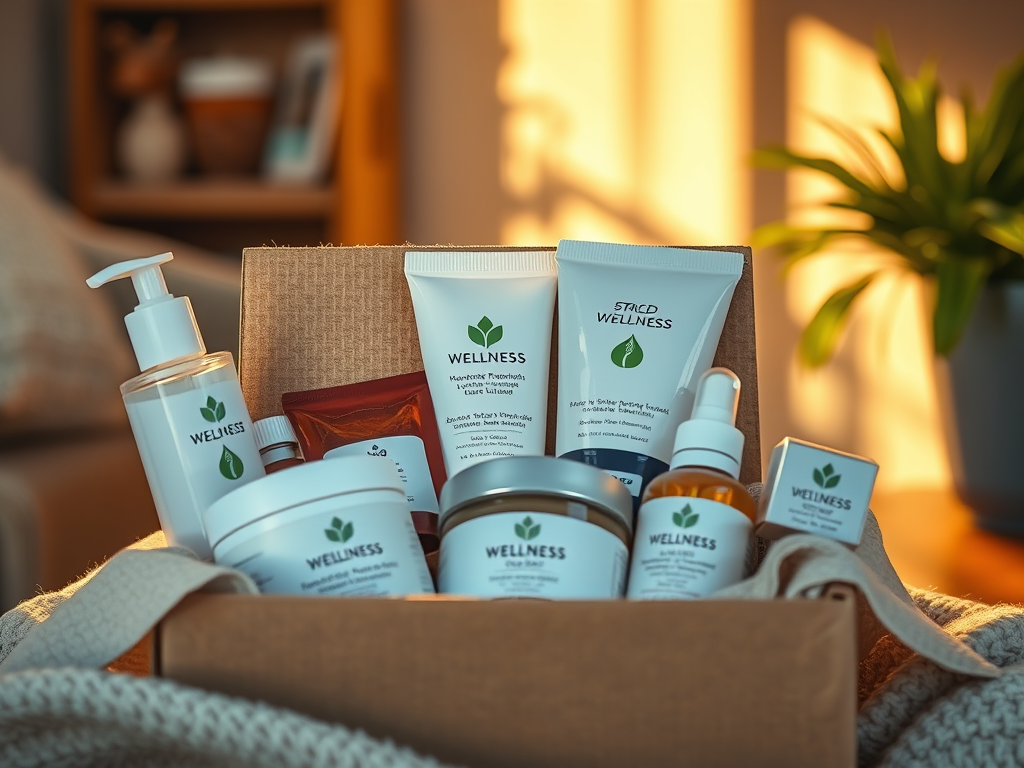
  • Earn $5,000 A Month From Home By Starting a Subscription Box Curator Side Hustle

    Dreaming of a side hustle that combines creativity with passive income? In 2025, curating subscription boxes—monthly packages of curated goods like snacks, self-care products, or hobby supplies—is a hot way to earn from home. Platforms like Cratejoy make it easy to launch your box, with new curators earning $100–$1,000/month and established ones hitting $5,000+/month. Start with minimal investment (a few hundred dollars for initial inventory), a computer, and a knack for picking great products. Here’s how to start a subscription box curator side hustle and make money with minimal effort.

    Step 1: Understand the Subscription Box Model

    A subscription box delivers curated items to subscribers monthly, like eco-friendly snacks or craft kits, for $10–$50/box. You source products, package them, and ship via USPS or third-party logistics. Cratejoy’s marketplace lists your box for free, taking 10% per sale plus payment fees (2.9% + 30¢). You set prices and fulfillment, making it semi-passive once systems are in place.

    Step 2: Pick a Niche with Passion and Profit

    Choose a niche that excites you and attracts subscribers:

    • Your Interests: Love wellness? Curate self-care boxes with candles and journals. Into hobbies? Try model-building kits.
    • Market Demand: Check Cratejoy or Etsy for trending niches like vegan snacks, mystery novels, or kids’ STEM activities.
    • Low Competition: Avoid oversaturated niches (e.g., beauty boxes) and focus on underserved ones (e.g., zero-waste household goods).

    Step 3: Source Your Products

    Start small with affordable items:

    • Wholesale: Buy from sites like Faire or Alibaba ($50–$200 for 10–20 items). Aim for $5–$10 cost per box to sell at $20–$40.
    • Local Suppliers: Partner with small businesses (e.g., artisanal soaps) for unique items, often at bulk discounts.
    • Samples: Request free or discounted samples from brands to include as bonuses.

    Spend $100–$300 on initial inventory for 10–20 boxes. Test products yourself to ensure quality.

    Step 4: Set Up Your Cratejoy Store

    Listing is free and takes 1–2 hours:

    • Sign Up: Join Cratejoy with a free account. No upfront fees; pay per sale.
    • Create Your Store: Upload 5–10 photos of your box contents. Write a description (e.g., “Monthly eco-friendly snack surprises”).
    • Pricing: Set at $20–$40/box, covering $5–$10 product costs, $5–$10 shipping, and profit ($5–$15). Offer 1-, 3-, or 6-month plans.
    • Fulfillment: Pack boxes yourself or use Cratejoy’s logistics partners (optional, ~$5/box).

    Step 5: Market Your Box

    Attract subscribers with low-effort strategies:

    • Cratejoy SEO: Use keywords like “2025 vegan snack box” or “self-care subscription” in your listing.
    • Social Media: Share unboxing videos on Instagram, TikTok, or X in niche groups (e.g., sustainability communities). 
    • Pinterest: Create Canva pins (e.g., “Best Eco Snack Box”) linking to your store. Pins drive 40% of subscription sales.

    Step 6: Scale for Passive Income

    Minimize effort and maximize profits:

    • Automate Fulfillment: Use third-party logistics ($5–$10/box) to handle packing and shipping after 20 subscribers.
    • Add Boxes: Launch a second niche (e.g., gluten-free snacks) to double revenue.
    • Upsell: Offer add-ons (e.g., $5 extra item) or gift cards for higher margins.

    Your First Move

    Pick a niche like eco-snacks today, source products, and list your box on Cratejoy. Share a pin on Pinterest and post in a local Facebook group. Subscription boxes blend creativity and passive income for a winning hustle. What’s your box idea?

  • Passive Income with Printables: 10 Ideas to Sell from Your Couch in 2025

    Want to create once and earn money repeatedly from home? Selling printables—digital downloads like planners, worksheets, or wall art—is a top side hustle in 2025, perfect for passive income. These products sell on platforms like Etsy, with no inventory or shipping needed. No design skills required—just a laptop and free tools. Here are 10 printable ideas to sell from your couch, plus how to start.

    Why Printables?

    Printables are quick to make and sell 24/7 via platform searches.

    10 Printable Ideas

    1. Budget Planners: Monthly trackers for bills or savings goals.
    2. Meal Prep Guides: Weekly menus with grocery lists.
    3. Fitness Trackers: Logs for workouts or water intake.
    4. Student Study Guides: Flashcard templates or exam planners.
    5. Wedding Checklists: Timelines for brides or planners.
    6. Kids’ Activity Sheets: Mazes or learning games for ages 4–8.
    7. Home Organization Charts: Cleaning schedules or pantry labels.
    8. Career Templates: Resume or cover letter designs.
    9. Wall Art Quotes: Motivational prints for offices or homes.
    10. Journal Prompts: Self-care or gratitude question sets.

    Step 1: Design Your Printable

    Use free tools for pro results:

    • Canva (Free): Start with templates for planners or art. Add clear fonts and stock images from Unsplash.
    • Format: Create 8.5×11” PDFs for printing or digital use (e.g., GoodNotes). Include 5–10 pages (e.g., weekly tracker, monthly overview).
    • Quality: Keep designs clean—avoid clutter. Test on your phone or printer.

    Step 2: Choose a Platform

    Sell where buyers shop:

    • Etsy: List for 20¢, 6.5% fee. Reaches 96 million buyers, great for planners or art ($3–$15).
    • Teachers Pay Teachers (TpT): Free to join, 45% fee (20% for $59.95/year premium). Ideal for educational printables ($3–$10).
    • Gumroad: Free, 10% fee. Sell for $5–$20 with full control.

    Step 3: List and Optimize

    Make your printable discoverable:

    • Titles & Tags: Use keywords like “2025 Budget Planner Printable” or “Kids Activity Sheets” (13 tags on Etsy).
    • Mockups: Show the printable in use via Canva or Placeit (free trials) mockups (e.g., planner on a tablet).
    • Descriptions: Highlight benefits (e.g., “Simplify your week with this no-prep tracker”).

    Step 4: Market for Passive Sales

    Drive buyers without daily work:

    • Pinterest: Create Canva pins (e.g., “Best Meal Prep Printable”) linking to your listing. Pins drive 50% of digital sales.
    • Social Media: Share in niche groups on Facebook or X (e.g., parenting or teacher communities).
    • Etsy Ads: Start at $1/day once earning to boost visibility.

    Step 5: Scale Your Income

    Grow for true passive income:

    • More Printables: Aim for 10–20 designs in year one (e.g., planners, trackers, art).
    • Bundles: Sell sets (e.g., budget + fitness trackers for $20) for higher revenue.
    • Email List: Use Mailchimp (free) to share new releases with buyers.

    Your First Move

    Design one printable—like a budget tracker—this weekend. List it on Etsy for $5, share a pin on Pinterest, and watch for sales. Printables are a create-once, earn-forever hustle. What’s your printable idea? Share in the comments, and I’ll suggest a platform to maximize it!

  • Selling Digital Assets: Passive Income from Fonts, Presets, and More in 2025

    Want to create something once and earn money repeatedly? Selling digital assets—think fonts, Lightroom presets, or social media templates—is a hot side hustle in 2025, perfect for building passive income from home. These products are in demand by designers, bloggers, and businesses, selling on platforms like Creative Market. No design degree needed—just a laptop and free tools. Here’s how to start renting out digital assets for passive income.

    Step 1: Understand Digital Assets

    Digital assets are downloadable files that creatives use, like custom fonts for branding, photo presets for editing, or templates for Instagram posts. You create them once, upload them, and earn per sale with no inventory or shipping. The digital product market is growing, projected to hit $74 billion by 2028, making now a great time to start.

    Step 2: Choose a Profitable Asset Type

    Pick an asset you can create and that sells:

    • Your Skills: Good at organizing? Design Canva templates for planners. Into photography? Create Lightroom presets for vibrant edits.
    • Market Demand: Browse Creative Market or Etsy for trending assets like handwritten fonts, vintage presets, or resume templates.
    • Low Effort: Start with simple assets (e.g., a 10-preset pack) to test the waters.

    Step 3: Create Your Digital Assets

    Use free tools to keep costs at zero:

    • Fonts: Design with FontStruct (free) for unique typography (e.g., a bold sans-serif for logos).
    • Presets: Use Lightroom’s free mobile app to create photo filters (e.g., moody tones for landscapes).
    • Templates: Make social media or resume templates in Canva (free) with clean layouts and stock images from Unsplash.
    • Quality: Test assets yourself—ensure fonts are legible, presets are versatile, or templates are editable.

    Step 4: Set Up Your Shop

    Top platforms are free or low-cost:

    • Creative Market: Free to join, 60% royalties ($3–$30/sale). Ideal for design-focused assets like fonts or presets.
    • Etsy: List for 20¢, 6.5% fee per sale. Great for templates or niche assets ($5–$20).
    • Gumroad: Free, 10% fee. Sell for $5–$50 with full control.

    Step 5: List and Optimize

    Make your assets stand out:

    • Titles & Tags: Use keywords like “2025 Instagram Story Template” or “Vintage Lightroom Preset” (up to 13 tags on Etsy).
    • Mockups: Show assets in use with Canva or Placeit (free trials) mockups (e.g., a font on a poster).
    • Descriptions: Highlight benefits (e.g., “Easy-to-use resume template for job seekers”).

    Step 6: Market for Passive Sales

    Drive buyers without daily work:

    • Pinterest: Create Canva pins (e.g., “Best Resume Templates 2025”) linking to your listings. Pins drive 50% of digital sales.
    • Social Media: Share in niche groups on Facebook or X (e.g., design or blogging communities).
    • Platform Ads: Use Etsy Ads ($1/day) or Creative Market’s featured spots once earning.

    Step 7: Scale Your Income

    Grow for true passive income:

    • More Assets: Aim for 20–50 assets in year one (e.g., fonts, presets, templates).
    • Bundles: Sell sets (e.g., 10 presets for $20) for higher revenue.
    • Email List: Use Mailchimp (free) to share new releases with buyers.

    Your First Move

    Create one asset—like a Canva resume template—this weekend. Digital assets are a create-once, earn-forever win. What’s your asset idea? Share in the comments, and I’ll suggest a platform to maximize it!

  • How to Start a Blog for Passive Income: A Beginner’s Guide to Earning from Home in 2025

    Dreaming of earning money while you sip coffee at home? Blogging is a proven way to build passive income in 2025, letting you write about what you love and make cash from ads, affiliate links, or products. No coding skills or big budget needed—just a laptop and a few hours a week. New bloggers can earn $50–$500/month within a year, with top earners hitting $1,000–$10,000/month after consistent effort. Here’s your beginner’s guide to starting a blog for passive income, with a 90-day plan to see your first dollars.

    Step 1: Pick a Niche You Love

    Your blog’s topic sets the stage for earnings. Choose something you’re passionate about and that attracts readers (and advertisers). Think:

    • Your skills: Love pets? Blog about dog training tips (maybe Highland cow-inspired farm life, tying to your creative streak).
    • Market demand: Use Google Trends or Pinterest to spot hot topics like “sustainable living” or “budget travel.”
    • Profit potential: Niches like personal finance or health draw high-paying affiliate programs.

    A teacher I know started a blog on classroom hacks and made $200/month in six months. Pick a niche you can write about for years.

    Step 2: Set Up Your Blog (Cheap or Free)

    You don’t need tech skills to launch a blog. Here’s how:

    • Platform: Use WordPress.com (free plan) or WordPress.org (self-hosted, ~$50/year with Bluehost for domain + hosting). WordPress is beginner-friendly and ad-ready.
    • Domain: Grab a catchy name like “PetLifeHacks.com” for $10–$15/year.
    • Design: Choose a free WordPress theme (e.g., Astra) and customize with Canva logos or headers.
    • First Post: Write a quick “Welcome” post about your niche (e.g., “Why I’m Sharing Dog Training Tips”).

    Setup takes 1–2 hours. Spend a weekend, and you’re live.

    Step 3: Write Content That Draws Readers

    Quality posts keep readers coming back and attract monetization opportunities. Aim for:

    • Value: Write “how-to” guides or lists (e.g., “10 Ways to Train a Stubborn Puppy”).
    • SEO Basics: Use free tools like AnswerThePublic to find questions people search (e.g., “best dog toys 2025”). Include keywords in titles and text.
    • Length: Start with 5–10 posts, 500–1,000 words each, to build a foundation.

    Plan three posts a week for the first month. A blogger I read about hit 1,000 monthly visitors in 90 days with 15 pet care posts.

    Step 4: Monetize Early

    You can start earning with minimal traffic. Try these free methods:

    • Affiliate Links: Join Amazon Associates (free) to earn 1–10% on products you recommend (e.g., dog beds). Link in posts naturally.
    • Ads: Apply for Google AdSense (free) once you have 10–15 posts. Ads pay $0.50–$5 per 1,000 views.
    • Sponsored Posts: Pitch brands (e.g., pet food companies) after 1,000 monthly visitors for $50–$200 per post.

    A beginner blogger earned $100/month with Amazon links on a gardening blog in four months. Start with one method and add more later.

    Step 5: Drive Traffic Without a Big Following

    Traffic fuels income. Use free strategies:

    • Pinterest: Create pins with Canva (e.g., “Top Dog Toys” graphics) linking to posts. Pinterest drives 50–80% of blog traffic for newbies.
    • Social Media: Share posts in Facebook groups or on X (e.g., pet lover communities).
    • SEO Growth: Use Yoast SEO (free WordPress plugin) to optimize posts for Google.

    Spend 30 minutes daily pinning or sharing. Consistency builds 500–2,000 monthly visitors in 3–6 months.

    Step 6: Scale for Passive Income

    Once you’re earning, reinvest to grow:

    • More Posts: Aim for 50–100 posts in year one. Older posts keep earning via search traffic.
    • Email List: Start a free Mailchimp list to share new posts or affiliate deals.
    • Products: Sell digital guides (e.g., “Puppy Training Ebook”) on Gumroad for $5–$20.

    Your 90-Day Plan

    • Days 1–7: Pick a niche, set up WordPress, write one post.
    • Days 8–30: Publish 5–10 posts, join Amazon Associates, share on Pinterest.
    • Days 31–90: Write 10–15 more posts, apply for AdSense, track traffic. Expect $10–$100 by month three.

    Blogging’s not instant cash, but it’s a low-risk hustle that grows. A $50 monthly start can scale to $500 with patience. What’s your blog idea? Share in the comments, and I’ll suggest a niche tweak to boost it!